 Ishra
Notice the next time it happens. You finish an email, or hit a hard sentence, or wait for the kettle, and your hand is already on the phone before you decided anything. Thirty seconds later you are somewhere you did not mean to go.
This is not a failure of character. It is a habit doing exactly what habits do.
The gap is the trigger
Most of the reaches do not happen when we are bored for an hour. They happen in the small gaps: between tasks, in the moment a task gets difficult, in the awkward second of a conversation. The phone is very good at filling a gap, because it never gives the same thing twice. Sometimes there is a message, sometimes there is nothing, and that uncertainty is precisely what keeps us checking.
Over time, the gap itself becomes the cue. The feeling of “in between” turns into a hand moving toward a pocket.
Willpower loses to design
Telling yourself to reach less works for a day. The apps are built by teams whose job is the opposite, and they have more time than you do. Most advice on habits agrees on one thing: you change a habit by changing what happens at the cue, not by fighting the urge each time.
Your day already has five better gaps
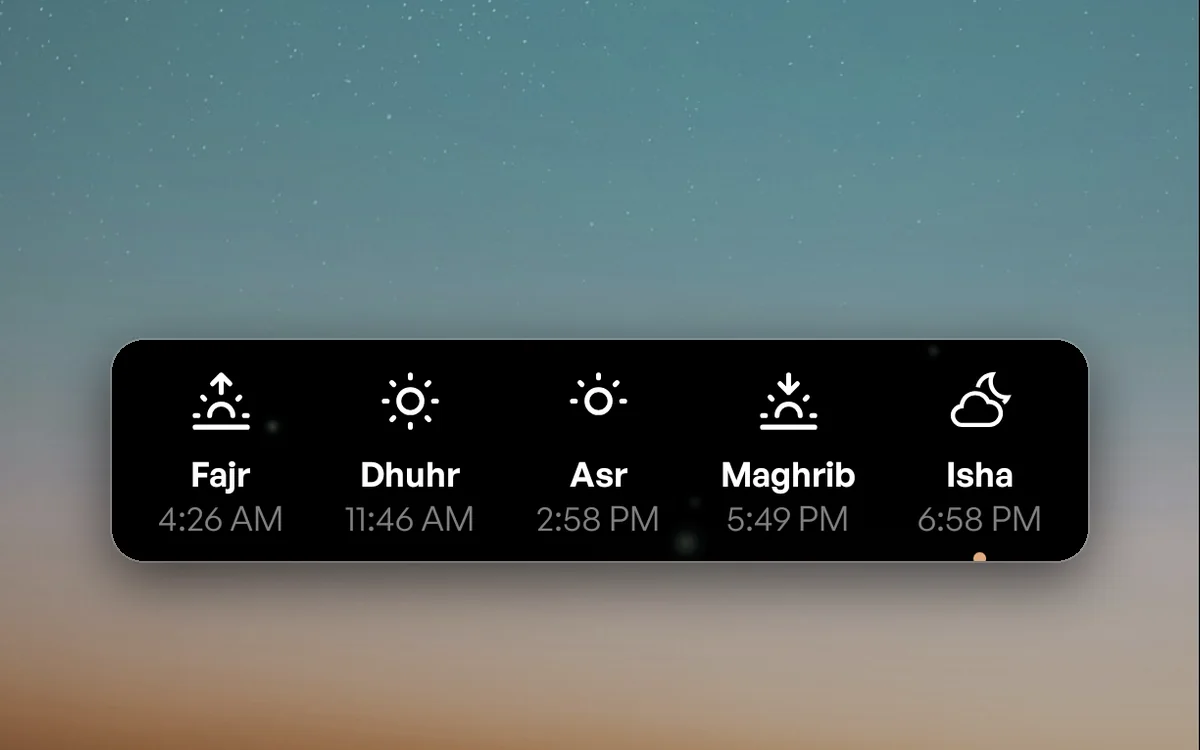
A Muslim's day comes with five pauses already built in, set by the sun rather than by an app. Each one asks you to stop what you are doing, stand up, wash, and turn towards something else entirely. That is the very opposite of the reach: a gap that returns your attention to you instead of taking it.
The trouble is that the reach does not respect them either. The adhan sounds, and the hand goes to the phone, “just one more minute”, until the prayer slips to the end of its time.
Letting the clock decide
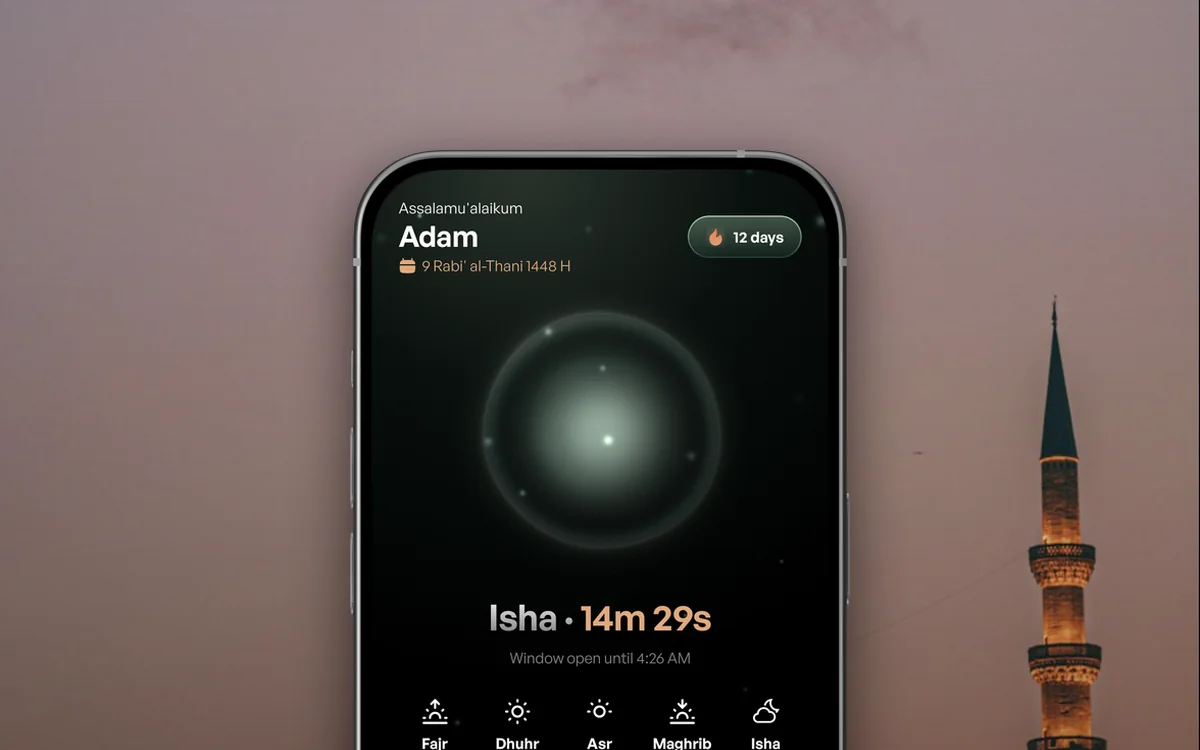
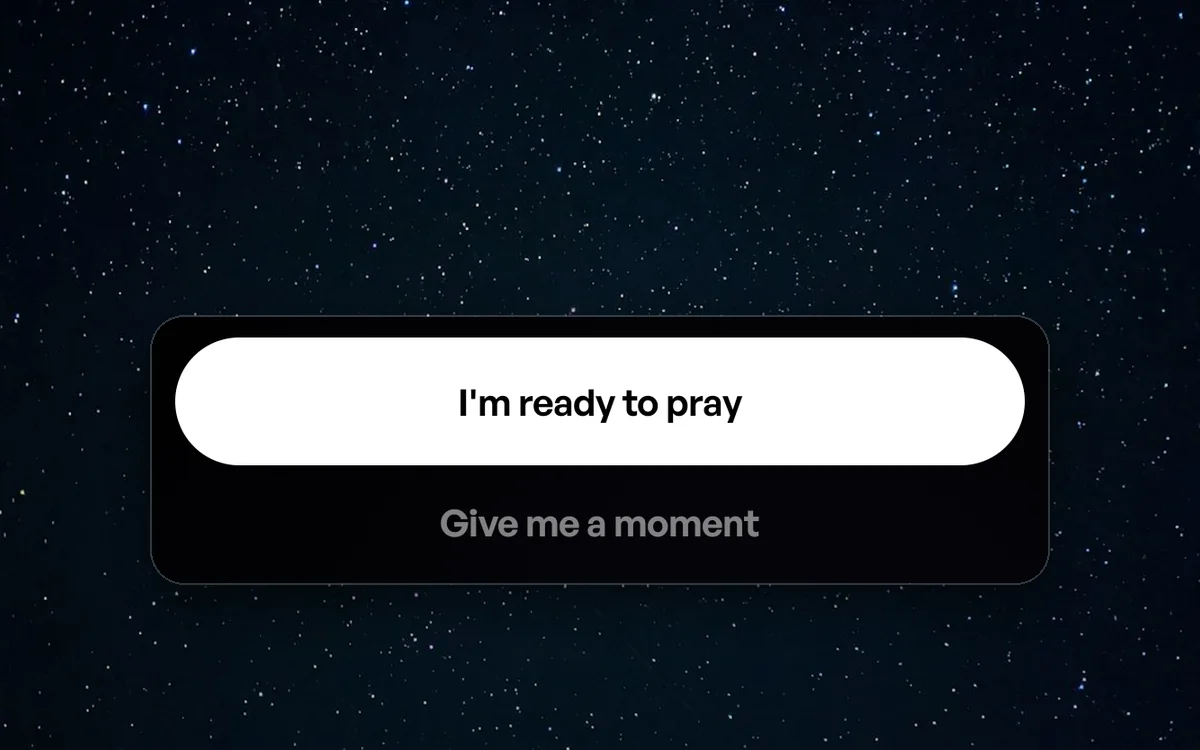
This is the idea behind Ishra. Instead of fighting every reach, you decide once, calmly, which apps pull you away. Then, for the length of each prayer window, those apps wait. You do not have to argue with yourself at the moment of the adhan; the decision was made earlier, by the version of you who was thinking clearly.
- Choose a few apps, not all of them. The ones you reach for in the gaps, not the ones you need.
- Keep an honest exit. “Give me a moment” is there for real moments: finishing a sentence, ending a call.
- Log the prayer for yourself. A short line about how it felt says more than any score. Ishra never checks it, and never judges it.
Five times a day, the gap gets filled with something that leaves you better than it found you. Over weeks, that is what changes the reach.